







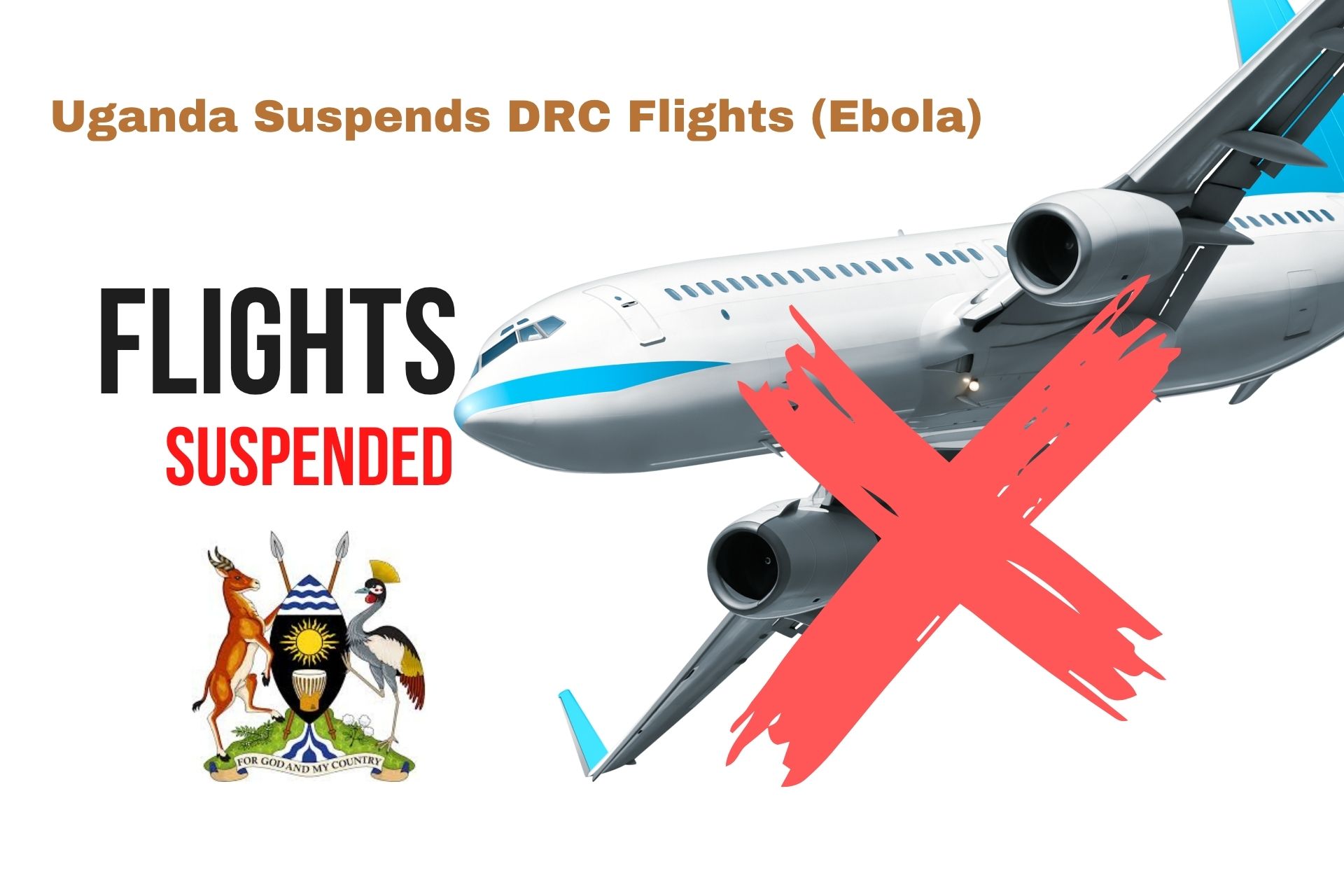
On May 22, 2026, the Ugandan government announced a series of immediate measures to prevent the importation of Ebola from neighboring Democratic Republic of Congo. The decision follows two confirmed imported cases of Ebola Bundibugyo Virus Disease from DRC, one of which resulted in a fatality in Kampala.
The measures are swift and comprehensive. But health officials emphasize that Uganda has no active local transmission. The confirmed cases are imported. Their contacts have been traced, quarantined, and are testing negative. The country remains under control.
Here is what you need to know.
The Measures: What Has Changed
| Measure | Details |
|---|---|
| Flight suspension | All Uganda-DRC flights suspended, effective within 48 hours of the May 22 announcement |
| Passenger transport halted | Cross-border passenger vehicles suspended |
| Weekly markets banned | Markets in high-risk districts along the DRC border are suspended |
| Duration | Initial 4-week suspension for passenger transport and markets |
| Exemptions | Cargo and food transport continue normally |
| High-risk districts | Kasese, Bundibugyo, Ntoroko, Kisoro, Kikuube, Hoima, Kampala, Wakiso, Arua, Koboko, Yumbe, Kanungu |
The Ministry of Health stated that the cargo and food transport exemption is crucial “because we need to balance public health and livelihoods.”
The Current Outbreak Status
In Democratic Republic of Congo
| Indicator | Number |
|---|---|
| Outbreak declared | May 15, 2026 |
| Location | Ituri Province, eastern DRC |
| Confirmed cases | Approximately 246 suspected cases reported |
| Deaths | 65 deaths recorded in DRC |
| Strain | Bundibugyo ebolavirus |
In Uganda
| Indicator | Status |
|---|---|
| Confirmed cases | 2 (both Congolese nationals) |
| Fatalities | 1 death recorded |
| Second patient | Recovering, testing negative |
| Local transmission | ZERO |
| Contacts under quarantine | 127 individuals |
| Contacts testing positive | NONE to date |
| Districts affected | Kampala (imported cases only) |
The World Health Organization declared the DRC outbreak a Public Health Emergency of International Concern (PHEIC) on May 17, 2026. This declaration applies to the DRC outbreak specifically. Uganda is mentioned only in the context of cross-border preparedness—not because there is any active threat within the country.
What Makes the Bundibugyo Strain Different
The current outbreak is caused by the Bundibugyo strain of the Ebola virus. This is significant for several reasons:
| Feature | Zaire Strain (Previous outbreaks) | Bundibugyo Strain (Current) |
|---|---|---|
| Approved vaccine | Yes (Ervebo) | No approved vaccine |
| Approved therapeutics | Yes (monoclonal antibodies) | No approved therapeutics |
| Case fatality rate | 60-90% | 25-50% |
| Hemorrhage frequency | Common | Less common |
| First identified | 1976 (DRC) | 2007 (Bundibugyo, Uganda) |
| Documented outbreaks | Many | Only 3 (including current) |
The Bundibugyo virus was first identified in Uganda in 2007 and is named after the district where it emerged. This is only the third documented Bundibugyo outbreak on record and the largest.
The genetic makeup of this strain differs significantly from the Zaire strain, meaning existing vaccines designed for Zaire Ebola are unlikely to provide protection against Bundibugyo.
Why These Measures Now?
Lessons from the 2022-2023 Outbreak
Uganda experienced its last Ebola outbreak (Sudan strain) from September 2022 to January 2023. That outbreak resulted in:
- 142 confirmed cases
- 55 deaths
- 7 health worker deaths
- 9 districts affected
- 69 days to control
Emmaculate Kamarah, the Commissioner of Health Services (Community Health), explained that the rapid imposition of measures is directly informed by past experience: “We learned that delayed containment contributed to the spread of the virus. This time, we are acting immediately.”
The Kassanda Incident
One of the most painful lessons from the 2022-2023 outbreak occurred in Kassanda District. Health Minister Margret Muhanga Mugisa revealed that the country would not have recorded all those deaths if one family hadn’t exhumed an Ebola body to perform religious rituals. More than ten people in that family died as a result.
This incident led to the creation of the UNDP partnership with cultural and religious leaders announced on February 14, 2026. Under this partnership, leaders have been equipped with promotional materials like flyers and posters with information on Ebola translated into different local languages.

Schools Remain Open
Despite the intensified measures, schools across Uganda will remain open as scheduled for the new term beginning in late May 2026.
However, the Ministry of Health and Ministry of Education have issued directives requiring schools to:
- Implement strict health screening protocols
- Report any suspected cases immediately
- Maintain adequate sanitation facilities
- Educate students and staff on Ebola prevention
- Coordinate with local health authorities
Parents and guardians are urged to monitor children for symptoms and keep them home if they show any signs of illness.
Mass Sensitization Campaigns
The government has launched mass sensitization campaigns targeting high-risk communities. Communication channels include:
| Channel | Target Audience |
|---|---|
| Radio | Rural communities, general population |
| Television | Urban and national audience |
| Social media | Youth, digital users |
| Religious institutions | Faith communities |
| Cultural institutions | Traditional leadership structures |
| Community meetings | Local leaders, village health teams |
Information is being disseminated in multiple local languages to reach all Ugandans regardless of literacy level or primary language.
What This Means for Travelers
For Ugandan Citizens
- Avoid non-essential travel to DRC until further notice
- Cooperate with health screening at points of entry
- Report symptoms immediately to health authorities
- Follow guidance from local leaders and health workers
For International Visitors to Uganda
- No travel restrictions to Uganda currently in place
- Entebbe Airport operating normally with routine health screening
- Tourist destinations unaffected (national parks, gorilla trekking, game drives)
- Visa issuance continuing as normal
The Uganda Tourism Board has confirmed that all national parks, wildlife reserves, and tourist attractions remain fully operational.
What You Can Do
The Ministry of Health encourages the public to:
- Remain calm – Uganda has experience managing Ebola outbreaks
- Seek information from official sources – Ministry of Health, WHO
- Practice frequent hand hygiene – Wash with soap and water or use alcohol-based sanitizer
- Avoid contact with sick individuals and human remains
- Report suspected symptoms promptly to health authorities
- Cooperate with surveillance and contact tracing efforts
- Follow guidance from health workers and community leaders
The Path Forward
The countdown to declaring Uganda Ebola-free will begin once the last confirmed patient tests negative for the second time. The standard requires 42 days (two incubation periods of 21 days) with no new confirmed cases after the last patient tests negative.
Based on the current situation:
| Milestone | Estimated Timing |
|---|---|
| Last confirmed case (imported) | Mid-May 2026 |
| Second negative test for last patient | Late May/Early June 2026 |
| 42-day countdown begins | Early June 2026 |
| Potential Ebola-free declaration | Mid-July 2026 |
These timelines depend on no new cases emerging from the DRC cross-border transmission.
Uganda is not in crisis. Uganda is prepared.
The flight suspensions, border measures, and market closures are signs of a government taking proactive action—not a country facing an uncontrolled outbreak. Health officials have learned from past outbreaks. They are acting swiftly. And they are communicating transparently.
For Ugandans: Stay informed. Follow health guidance. Report symptoms. Do not panic.
For visitors: Uganda remains safe. Your safari, business trip, or family visit can proceed as planned. The outbreak is not in Uganda.
For everyone: The next 42 days will determine when the country can be declared Ebola-free. Until then, vigilance—not fear—is the appropriate response.
Have questions about the Ebola measures or how they affect you? Leave a comment below. For medical emergencies or suspected symptoms, contact the Uganda Ministry of Health hotline immediately.


